The Terroir · study, October 2026
The ground beneath the wine.
A desk study of our hill at Godinești: its soils and climate, and the varieties that could thrive there.

Key figures
- ≈ 0Huglin index (estimate)
- ≈ 0Winkler degree-days (estimate)
- 0mm rain a year, Târgu Jiu 1961 to 2010
- 5.8 to 6.1Topsoil pH (model)
- 10 to 12°September nights (°C)
The climate, in two charts
Heat enough for red. Frost to respect.
Higher means more heat for ripening. 2,100 to 2,400 is the “temperate warm” class, where Merlot and Cabernet Franc ripen. Axis starts at 1,800.
In six of nine years the last frost came after 15 April, when buds have opened. That is why we will plant on airy mid-slopes, away from the cold valley floor.
In short
A cool-to-moderate red-wine climate.
Our hill lies in the Getic Subcarpathians of north-west Gorj, between the weather stations of Apa Neagră and Târgu Jiu. Its heat budget is enough for red wine, and its cool September nights favour colour, aroma and fresh acidity.
The soils are clay-rich and slightly acidic, mostly luvisols and brown soils on old marls, clays, sands and gravels. Frost and humidity are the main risks, not heat: late April frosts, a second rainy season in autumn and the occasional hailstorm.
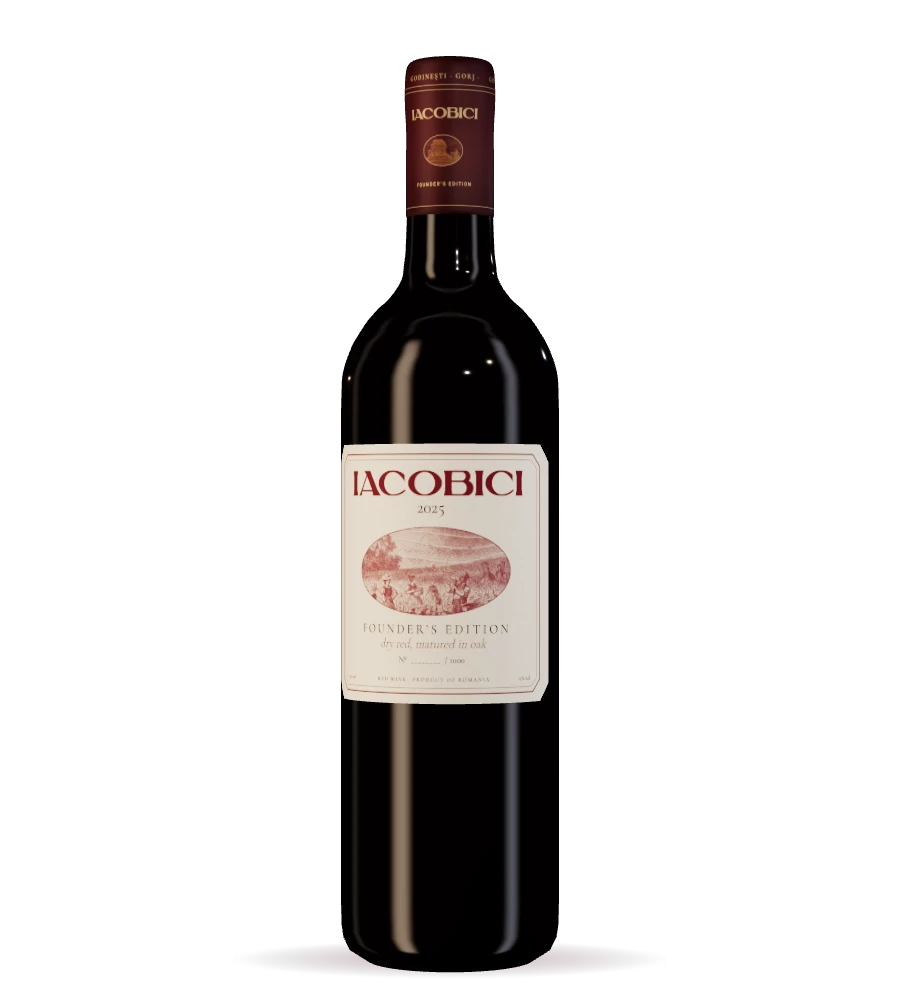
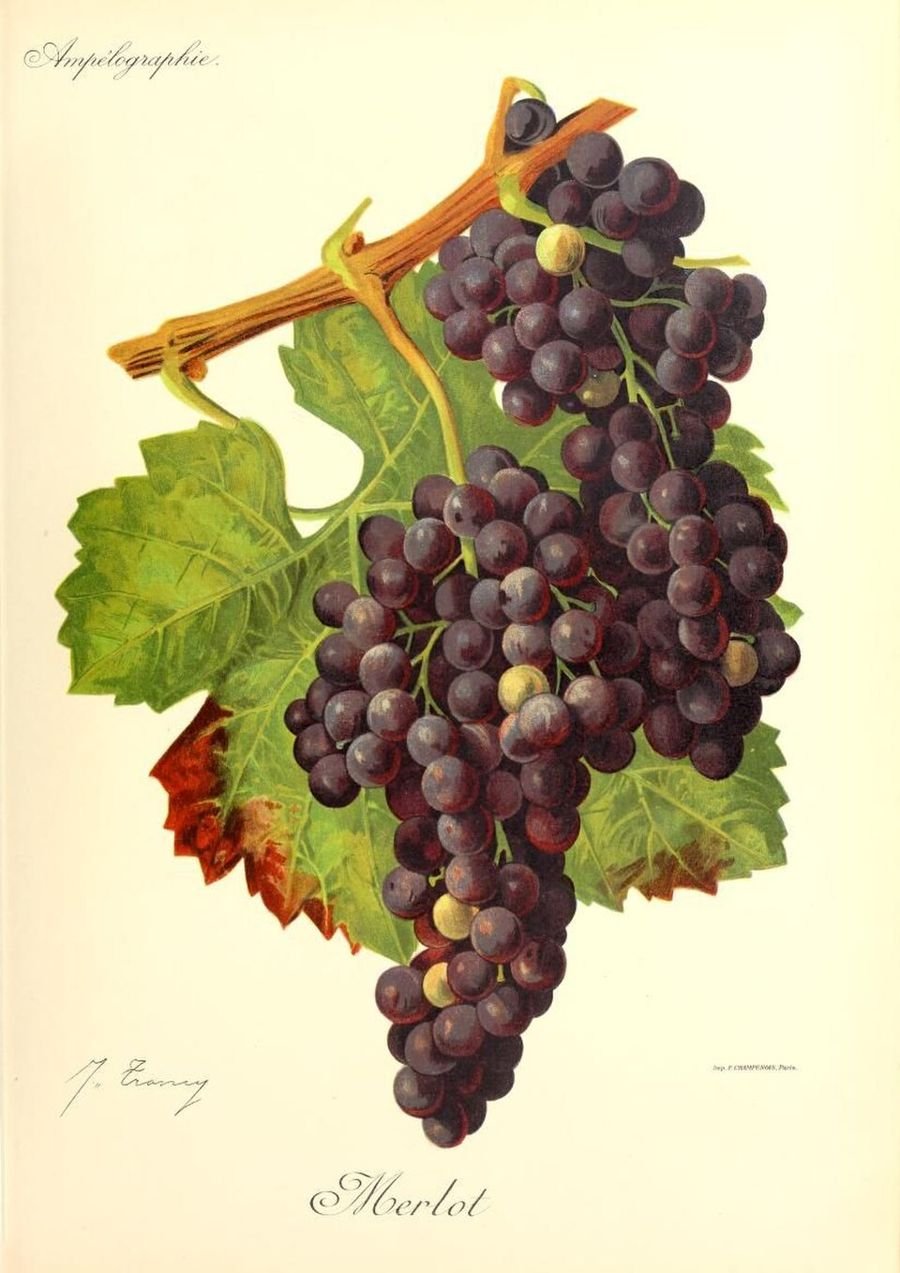
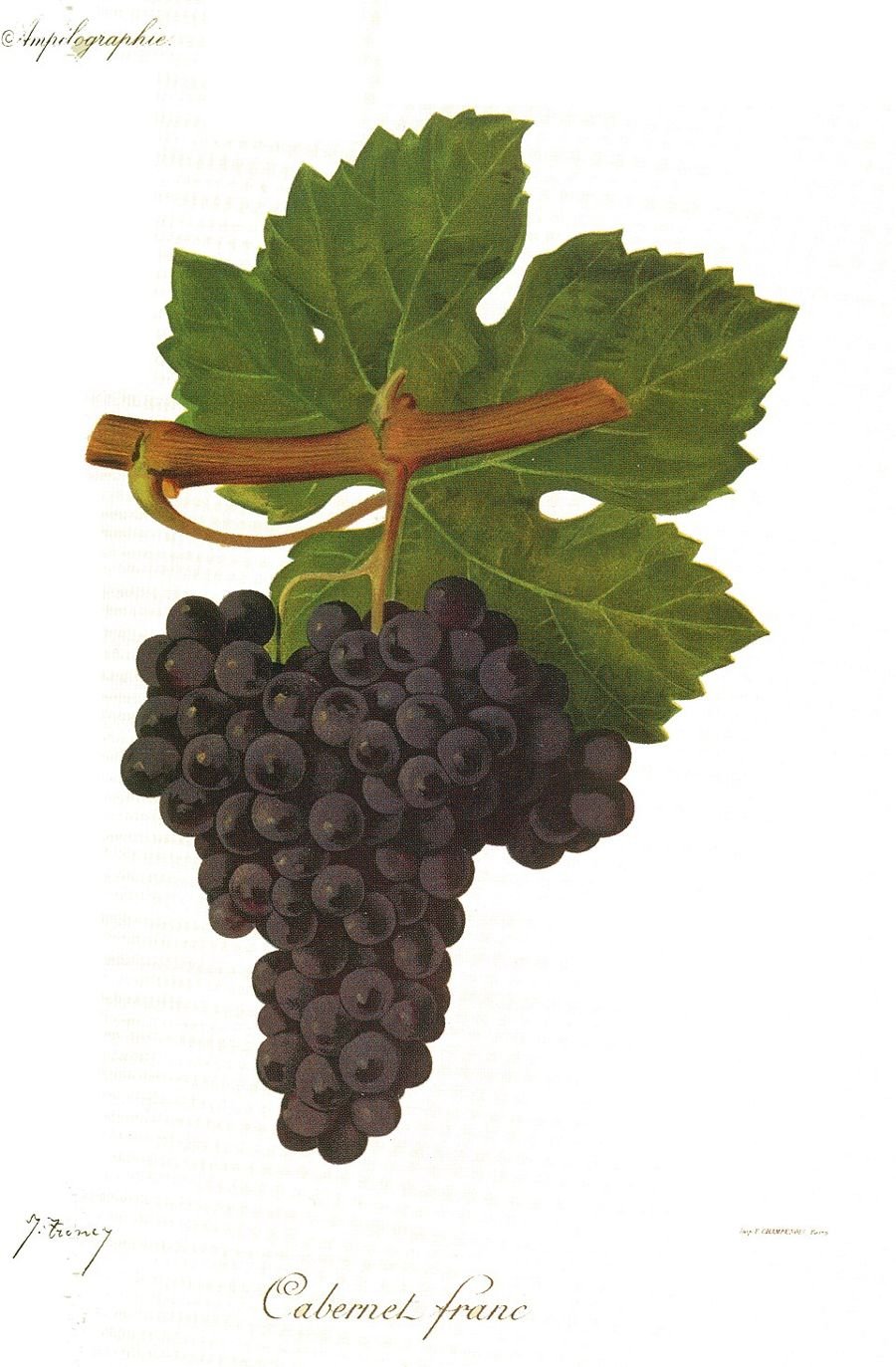
For the oak-aged red, the study points to Fetească Neagră, Novac, Merlot and Cabernet Franc, with a little Cabernet Sauvignon on the warmest slope.
Variety suitability
How each vine might fare.
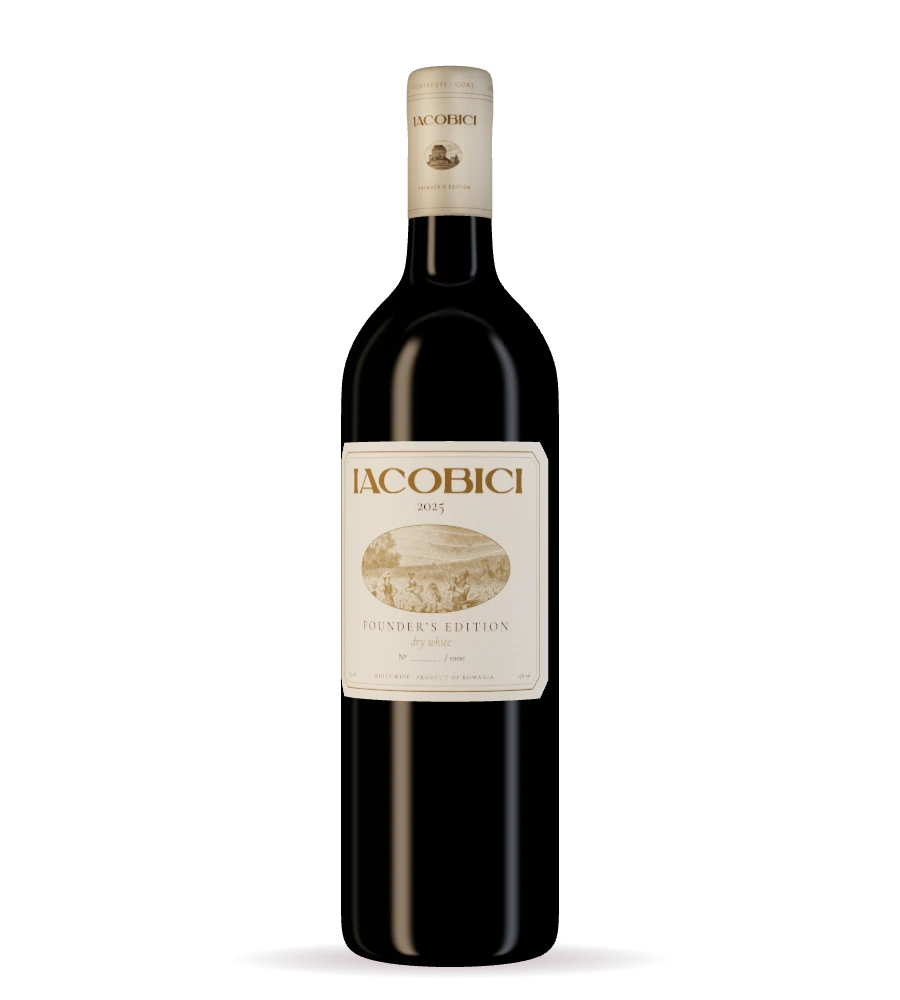
Ratings assume a well-ventilated slope above the valley floor. Romanian varieties such as Fetească Neagră and Novac are rated in the table below.
A desk study compiled in October 2026 from published sources, public meteorological records and global soil and terrain datasets. No on-site measurements have been taken yet. Estimates are labelled as such.
Key figures
| Parameter | Value | Source / station | Status |
|---|---|---|---|
| Location (Godinești village) | 45.007° N, 22.966° E | OpenStreetMap; Wikipedia | Published |
| Commune area | 51.32 km² | Wikipedia (Godinești) | Published |
| Valley floor elevation, commune villages | ~184 to 210 m | Copernicus DEM via Open-Meteo Elevation API | Model (90 m DEM) |
| Hill elevations sampled within the commune | up to ~355 m (sampled grid) | Same | Model; parcel needs survey |
| Mean annual temperature, Târgu Jiu, 20th century | 10.2 °C | Strat & Nistor 2012, citing Săraru 2008 | Published |
| Mean annual temperature, Târgu Jiu, 2001 to 2010 | 10.9 °C | Strat & Nistor 2012 | Published |
| Mean annual temperature, 2017 to 2025 | 11.3 °C (Apa Neagră) / 12.4 °C (Târgu Jiu) | Meteostat daily records; our calculation | Computed |
| July mean, 2017 to 2025 | 22.1 °C (Apa Neagră) / 23.5 °C (Târgu Jiu) | Meteostat; our calculation | Computed |
| January mean, 2017 to 2025 | −0.3 °C (Apa Neagră) / 0.5 °C (Târgu Jiu) | Meteostat; our calculation | Computed |
| Annual precipitation, Târgu Jiu, 1961 to 2010 | 790.1 mm (about 137 days with precipitation) | Strat & Nistor 2012 | Published |
| Annual precipitation, 2021 to 2025 | ~837 mm (Apa Neagră) / ~711 mm (Târgu Jiu) | Meteostat; our calculation | Computed, short series |
| April to September precipitation, 2021 to 2025 | ~409 mm (Apa Neagră) / ~385 mm (Târgu Jiu) | Meteostat; our calculation | Computed, short series |
| Potential evapotranspiration, Târgu Jiu | 677.0 mm/yr | Strat & Nistor 2012, citing Baciu 2008 | Published |
| Huglin index (HI), 2017 to 2025 mean | ~2,190 (Apa Neagră), ~2,390 (Târgu Jiu) | Our calculation, method below | Estimate |
| Winkler GDD (Apr to Oct, base 10 °C), 2017 to 2025 mean | ~1,580 (Apa Neagră), ~1,820 (Târgu Jiu) | Our calculation | Estimate |
| Cool Night Index (mean Sept. minimum) | ~10.1 °C (Apa Neagră) / ~11.9 °C (Târgu Jiu) | Our calculation | Estimate |
| Frost-free period (last to first day with Tmin < 0 °C) | ~179 days (Apa Neagră) / ~215 days (Târgu Jiu) | Our calculation | Estimate |
| Soil reference group (most probable) | Luvisols (25 % probability) | ISRIC SoilGrids 2.0 | Model (250 m) |
| Topsoil pH(H₂O), hills around Godinești | ~5.8 to 6.1 (0 to 30 cm); ~6.1 to 6.7 (60 to 100 cm) | ISRIC SoilGrids 2.0 | Model; needs lab analysis |
| Clay content | ~30 to 33 % (0 to 30 cm); ~36 to 37 % (60 to 100 cm) | ISRIC SoilGrids 2.0 | Model; needs lab analysis |
| Sunshine hours | Not verified | Must be taken from ANM records | Unknown |
1. Location and landscape
Godinești
Godinești is a commune in Gorj County, Oltenia, covering 51.32 km². Its villages are Arjoci, Câlcești, Chiliu, Godinești (the seat), Pârâu de Pripor, Pârâu de Vale and Rătez. We recommend recording the exact GPS coordinates and cadastral reference of the family parcel: every site-specific statement in this study depends on them.
Reference coordinates used here are those of Godinești village: 45.007° N, 22.966° E (OpenStreetMap). The commune centroid given by Wikipedia is 45°00′25″ N, 22°57′58″ E.
Relief
The commune lies in the Subcarpații Gorjului, the western sector of the Getic Subcarpathians, which extend between the Motru and Olteț valleys. A geotechnical study for neighbouring Peștișani, which compiles standard regional geography, describes this unit as two parallel belts:
- next to the mountains, a near-continuous corridor of sub-Carpathian depressions with broad, flat alluvial fields (Padeș on the Motru, Tismana, Peștișani on the Bistrița, Runcu on the Jaleș);
- to the south of it, the internal sub-Carpathian hills, at roughly 300 to 600 m.
Godinești sits on the Tismana river, about 5 km south of Tismana town, where the depression corridor meets these hills.
Elevations. We sampled the Copernicus digital elevation model on a grid across the commune (via the Open-Meteo Elevation API). The village sites sit at about 184 to 210 m. The surrounding interfluves reach about 250 to 355 m at the points sampled. The Târgu Jiu station is at a comparable elevation (205 m in Meteostat’s station record).
Slopes and aspect cannot be judged reliably from a 90 m terrain model. They must be surveyed on the parcel.
Water
The Tismana river rises in the Vâlcan Mountains and flows through Tismana, Godinești and Câlnic before joining the Jiu as a right-bank tributary. It is 42 km long and drains a basin of 894 km². Its left-bank tributaries include the Bistrița and the Jaleș, and its right-bank tributaries include the Orlea (Wikipedia, citing the Romanian water atlas). At the Peștișani site the water table lay deeper than 5.5 m. That is one borehole in a neighbouring commune and says nothing about our hill.
2. Geology and soils
Geology
The Getic Subcarpathians formed from huge volumes of Carpathian alluvium (boulders, gravels, sands and muds) laid down through the Miocene to Pliocene and then uplifted during the Pliocene and Quaternary. Much of the piedmont cover was later stripped away by erosion. The resulting landscape is made of marls, clays, gravels and sands, together with their cemented equivalents (conglomerates and sandstones) and some limestones. During the Pliocene, a lake retreated southwards, and Carpathian rivers built extensive alluvial fans (the Cândești gravels) (Peștișani geotechnical study, 2017).
Locally, the 2017 boreholes at Peștișani found river gravel and boulders in a slightly clayey sand matrix. This is typical of terraces and floodplains. Hill slopes are expected to be finer-textured, but that is not documented for our hill.
Soils
Regional descriptions agree on the main picture:
- Argiluvisols (luvisols) dominate. On interfluves and terraces they range from weakly luvic brown soils to albic luvisols. Clay-rich deposits carry pseudogleyed soils. Sands and gravels support eutric and luvic brown soils, and sometimes acidic brown soils. Marl supports pseudorendzinas (phaeozems). Steeper, eroded slopes have erodosols, and floodplains have alluvial soils (Peștișani geotechnical study).
- The „Dealurile Olteniei” PGI dossier describes albic luvisols, planosols and luvic brown soils on plateau surfaces. Well-drained narrow crests and upper slopes carry clay-illuvial brown soils, and slopes carry eu-mesobasic brown soils and regosols. It describes the „classic” Oltenian vineyard subsoil as reddish clay „with small pebbles” and ferro-manganese inclusions.
Model estimates for Godinești. ISRIC SoilGrids 2.0 is a global model at 250 m resolution. At three points on the hills around the village it gives:
| Depth | pH(H₂O) | Clay % | Sand % | Coarse fragments (vol. %) |
|---|---|---|---|---|
| 0 to 5 cm | 5.8 to 6.0 | 30 to 31 | 37 to 38 | 15 to 17 |
| 15 to 30 cm | 5.8 to 6.1 | 32 to 33 | 33 to 36 | 16 to 18 |
| 60 to 100 cm | 6.1 to 6.7 | 36 to 37 | 32 to 34 | 16 to 18 |
Its most probable WRB soil class at the village point is Luvisols (25 %), followed by Chernozems, Cambisols (12 % each) and Phaeozems (10 %).
What this implies, if confirmed on site. These would be slightly acidic, moderately fine-textured soils with clay increasing at depth, which is the textbook luvisol profile. They hold water well, which buffers summer drought. They may drain slowly where the clay horizon is dense, which matters in wet springs and autumns. Lime-induced chlorosis would not be expected at this pH. None of these numbers replaces soil pits and laboratory analysis (see Section 7).
3. Climate
The regional picture
Gorj has a temperate-continental climate with Mediterranean influences and a county-wide mean annual temperature of +10.2 °C (BNR, Monografia județului Gorj). Within the Getic Subcarpathians the regional summary in the Peștișani study gives:
- mean annual temperature of about 10 °C in the Târgu Jiu depression, falling to about 9 °C across most of the hill country and to 7 to 8 °C above about 900 m;
- July mean falling from about 22 °C to 20 °C with altitude, and January mean from about −1 °C (Târgu Jiu) to −2 or −3 °C;
- about 110 days per year with frost, and recorded extremes of about −31 °C and +43 °C;
- frost penetrating the soil to 70 to 80 cm (STAS 6054), and snow cover lasting on average 46 to 57 days.
The same source notes that the western submontane depressions have a distinctive climate. It describes them as a transition between climates with sub-Mediterranean influences (towards the Mehedinți Plateau) and the drier climate to the east. In spring and autumn, Mediterranean cyclones arriving from the south-west bring cloud and rain. As a result, besides the May to June precipitation peak, a second, autumn peak appears, „especially in the Motru, Tismana, Oslea and Bistrița area”.
The clearest living sign of this influence is the stand of sweet chestnut (Castanea sativa) around Tismana, about 5 km to the north. The trees grow near the monastery on limestone slopes at the foot of the mountains, in a climate described as „mild… submediteranean” (Damian & Crainic, 2012). Recent reporting describes the stands as declining. Disease and the 2023 drought cut the harvest from over 100 t a year three decades ago to 4 to 5 t (Observator / Spotmedia, 2023). The decline is a reminder that drought and heat waves are becoming stress factors here as well.
Long-term station record (Târgu Jiu)
Strat & Nistor (2012) analysed the Târgu Jiu station series (station at 45°02′03″ N, 23°16′29″ E):
- The 20th-century mean temperature was 10.2 °C, the 1990s were about 0.2 °C warmer, and 2001 to 2010 averaged 10.9 °C. Summer averaged 20.5 °C and winter −0.6 °C.
- Mean annual precipitation for 1961 to 2010 was 790.1 mm, on about 137 days a year. The 1961 to 1990 normal was 788.9 mm and the 1981 to 2010 normal 761.8 mm. Year-to-year variation is high (coefficient of variation 22 %), and there is no significant long-term trend.
- June is the wettest month. Potential evaporation exceeds rainfall in May to September, but there is no annual moisture deficit, and potential evapotranspiration is 677.0 mm.
The recent decade at the two flanking stations (our calculation)
No station sits in Godinești itself. The two nearest synoptic stations bracket it:
- Apa Neagră (Padeș), WMO 15341: 262 m, about 9 km west, in the sub-Carpathian depression at the mountain foot;
- Târgu Jiu, WMO 15340: 205 m, about 25 km east, in the broad Jiu depression.
We downloaded their daily records from Meteostat, which redistributes NOAA and national synoptic data, and calculated the indices below. Temperatures cover 2017 to 2025 and precipitation only 2021 to 2025, because earlier precipitation is missing from the dataset. Single missing days (under 1.5 %) were filled from neighbouring days. Drăgășani and Drobeta-Turnu Severin are included for comparison.
| 2017 to 2025 means | Apa Neagră | Târgu Jiu | Drăgășani (ref.) | Dr.-Tr. Severin (ref.) |
|---|---|---|---|---|
| Mean annual temp. (°C) | 11.3 | 12.4 | 13.1 | 13.8 |
| July mean (°C) | 22.1 | 23.5 | 24.1 | 25.3 |
| January mean (°C) | −0.3 | 0.5 | 1.5 | 2.2 |
| Huglin index | 2,190 (range 2,043 to 2,485) | 2,394 (2,258 to 2,739) | 2,448 | 2,625 |
| Winkler GDD, Apr to Oct | 1,577 (1,423 to 1,773) | 1,822 (1,665 to 2,095) | 2,013 | 2,158 |
| Cool Night Index, Sept. Tmin (°C) | 10.1 | 11.9 | 14.2 | 14.9 |
| Frost-free days (mean) | 179 | 215 | 230 | 250 |
| Days ≥ 30 °C / ≥ 35 °C per year | 37 / 4.4 | 50 / 7.0 | 52 / 7.3 | 63 / 13.8 |
| Annual precipitation 2021 to 25 (mm) | ~837 | ~711 | ~612 | ~616 |
| Apr to Sep precipitation 2021 to 25 (mm) | ~409 | ~385 | ~340 | n/a |
Method (estimates).
- Huglin index = 1.04 × Σ ½[(Tmean − 10) + (Tmax − 10)], summed over 1 April to 30 September. Negative daily values are set to zero. The coefficient 1.04 is the day-length factor for 44°01′ to 46°00′ N (Tonietto & Carbonneau, 2004).
- Winkler index = Σ max[(Tmax + Tmin)/2 − 10, 0], summed over 1 April to 31 October (Amerine & Winkler, 1944).
- Cool Night Index = mean of the daily minima in September (Tonietto & Carbonneau, 2004).
- Frost-free period = days between the last spring day and the first autumn day with Tmin < 0 °C at 2 m.
What this means for our hill
Godinești lies between the two stations and at similar elevation to both, so its climate should fall within the range they define. Our working estimates for 2017 to 2025 are:
- Huglin index of about 2,200 to 2,400. This is class HI+1, „temperate warm”, whose boundaries are >2,100 to ≤2,400.
- Winkler degree-days of about 1,580 to 1,820. This straddles the Region II/III boundary (1,389 to 1,667 / 1,668 to 1,944 °C-days).
- Cool Night Index of about 10 to 12 °C. This is class CI+2, „very cool nights” (≤12 °C).
Three caveats apply:
- 2017 to 2025 was unusually warm by historical standards. The Târgu Jiu annual mean was 12.4 °C, against 10.2 °C for the 20th century. A long-term Huglin index would be lower. We also ran the ERA5-Land reanalysis (via Open-Meteo) for the Godinești grid cell. It reads about 1.3 °C colder than the Târgu Jiu station over 2017 to 2024, so we do not use its absolute values. It is useful for relative change: its Huglin index rose by about 140 units between 1991 to 2020 and 2011 to 2024, and its mean temperature by about 0.7 °C.
- Year-to-year swings are large. At Apa Neagră the Huglin index ranged from 2,043 to 2,485. Cooler seasons will come.
- Topography can outweigh distance. Apa Neagră’s colder nights, shorter frost-free season and very late spring frosts are typical of a depression floor where cold air collects. A well-drained mid-slope on our hill could run noticeably warmer at night than the valley floor. Only a weather station on site can say how much.
Sunshine
We could not find a verified annual sunshine total for Târgu Jiu or Apa Neagră. Reanalysis „sunshine duration” products overstate it substantially, and we have not used them. The Dealurile Olteniei PGI dossier quotes „an average annual solar exposure of 1,550 hours” and an April to September temperature sum of 3,340 °C for the PGI area as a whole. These are lowland-weighted figures that do not describe our hill. ANM station data (Târgu Jiu, Apa Neagră) should be requested to fill this gap.
Climatic risks
- Late spring frost is the main risk. At Apa Neagră the last frost of spring (Tmin < 0 °C) fell on 24 Apr 2017, 3 Apr 2018, 4 Apr 2019, 27 Apr 2020, 24 Apr 2021, 21 Apr 2022, 28 Apr 2023, 20 Apr 2024 and 13 Apr 2025. That is after 15 April in six of nine years. At Târgu Jiu it ranged from 26 March to 25 April. Budburst in the region begins around mid-April; at Drăgășani, Novac buds open about then (CrameRomania). In the ERA5-Land record for Godinești, the last spring frost fell after 15 April in 8 of the 30 years from 1991 to 2020.
- Early autumn frost in cold pockets. At Apa Neagră the first autumn frost came on 30 Sep 2017, 24 Sep 2018 and 20 Sep 2019, and in mid-October in most other years. That is a real constraint for late-ripening varieties on low ground. At Târgu Jiu it never came before 21 October in 2017 to 2025.
- Humidity and fungal pressure. Annual rainfall is about 710 to 840 mm, with a June peak and a second autumn peak from Mediterranean cyclones. That means real pressure from downy mildew in spring and early summer, and from botrytis around harvest. Thin-skinned and compact-clustered varieties need well-ventilated sites and careful canopy management.
- Hail. This is a recurring summer hazard in Gorj. On 12 May 2024, hail hit the nearby commune of Cătunele, as well as Motru and Glogova. The mayor estimated 10 to 15 % crop damage (Adevărul, 13 May 2024). Hail nets or insurance are worth evaluating.
- Heat and drought. These are moderate but rising. Days at or above 35 °C averaged 4.4 a year at Apa Neagră and 7 a year at Târgu Jiu, with 17 and 26 respectively in 2024. Summer 2024 and 2025 were dry, with April to September rainfall of about 250 to 390 mm at both stations. The clay-rich soils help buffer this, and young vines may still need irrigation in such years.
- Winter cold. The lowest daily minima in 2017 to 2025 were −23.3 °C at Apa Neagră (2018) and −18.8 °C at Târgu Jiu (2018). The regional record is about −31 °C. Freezes deep enough to injure vinifera buds are infrequent but possible.
4. Viticultural history and nearest appellations
Gorj and Oltenia
Viticulture has long been the hill-country specialisation of Gorj. Britannica lists viticulture in the hilly areas alongside cereal and livestock farming in the lowlands. The Dealurile Olteniei PGI dossier records two historical points:
- In 1899, the five Oltenian counties (Dolj, Mehedinți, Romanați, Vâlcea and Gorj) held 30 % of Romania’s vineyard area.
- In 1900, the agronomist G. N. Nicoleanu judged the Severin and Drâncei vineyards to be the most renowned in the country for the finesse of their red wines from Pinot Noir and Merlot.
Drăgășani wines won medals at the Paris exhibitions of 1867, 1889 and 1900, including Tămâioasă Românească from the 1890, 1891 and 1896 vintages (Boștinaru et al., 2022).
We found no published record specific to Godinești’s own vineyards. Family and parish archives, the Gorj County Museum and the National Archives in Târgu Jiu would be the places to look. A documented family history would add authentic depth to the winery’s story.
Nearest protected names
| Name | Type | Relation to our hill |
|---|---|---|
| Dealurile Olteniei | PGI (PGI-RO-A1095) | Covers parts of Gorj. In the 2011 technical dossier the Gorj communes listed are Scoarța, Runcu, Bălănești, Crușeț, Turburea, Stoina, Căpreni, Stejari and Hurezani. Godinești is not listed. A 2023 amendment added only Ișalnița (Dolj). The nearest listed commune, Runcu, lies roughly 17 km to the north-east in the same depression corridor. |
| Mehedinți (sub-denominations Severin, Corcova, Golul Drâncei, Vânju Mare, Orevița) | PDO (PDO-RO-A1072) | About 50 km south-west (Drobeta-Turnu Severin). Historic Pinot Noir and Merlot reputation. |
| Drăgășani | PDO (PDO-RO-A0286) | About 110 km east. Home of Novac, Negru de Drăgășani and Crâmpoșie Selecționată. |
| Sâmburești, Segarcea, Banu Mărăcine | PDOs | Further east and south, in Olt and Dolj. |
Practical consequence. Unless the specification has been amended since, wine from our hill would not qualify for the „Dealurile Olteniei” PGI and would be sold as wine without a geographical indication. Under EU rules such wine may still show the variety and vintage. Confirm the current consolidated specification with ONVPV (Oficiul Național al Viei și Produselor Vitivinicole) before label design. Extending the delimited area is possible through a standard amendment, as the 2023 Ișalnița case shows. That would be a long-term option to pursue with other local growers.
The PGI specification is still useful as a guide to what the region grows. Its permitted varieties include Fetească Neagră, Merlot, Cabernet Sauvignon, Cabernet Franc, Pinot Noir, Syrah, Novac, Negru de Drăgășani, Fetească Albă, Fetească Regală, Crâmpoșie Selecționată, Tămâioasă Românească, Sauvignon, Chardonnay and Riesling Italian.
5. Variety suitability
How we rated the varieties. Ratings combine three inputs:
- the estimated heat budget for our hill (Huglin index about 2,200 to 2,400; Winkler about 1,580 to 1,820);
- the cool September nights;
- the main constraints: spring frost, early autumn frost in cold pockets, autumn rain and clay soils.
For international varieties we use Huglin’s minimum heat thresholds (Huglin, 1986, as tabulated in the Huglin index literature). For Romanian varieties we use published descriptions from SCDVV Drăgășani and other sources. Ratings assume a well-chosen, well-ventilated slope above the valley floor. On the valley floor most ratings drop by one step.
| Variety | Ripening | Rating | Rationale |
|---|---|---|---|
| Fetească Neagră | Mid | Needs about 125 to 140 days from budbreak to maturity and 2,700 to 2,800 °C of active temperatures in southern Moldova, which is within reach here. Cool September nights should help it keep the colour and freshness it is known for. The same study rates it moderately affected by mildew and only weakly by other diseases (Nicolaescu et al., 2022). With our hill’s spring and autumn rain, plant it on the best-ventilated rows. | |
| Novac | Mid (5th epoch, 16 to 30 Sept at Drăgășani) | Bred at SCDVV Drăgășani from Negru Vârtos × Saperavi. It ripens about 10 days before Merlot, reaching 208 to 220 g/l sugar with 5.2 to 6.3 g/l acidity at Drăgășani. Our hill is cooler than Drăgășani (Winkler about 1,580 to 1,820 versus 2,013 in 2017 to 2025), so expect later picking but reliable ripeness. Native Oltenian identity suits the winery’s story. | |
| Negru de Drăgășani | Mid (mid-Sept at Drăgășani) | High sugar (233 to 234 g/l at Drăgășani) and good frost resistance (CrameRomania). However, it is described as sensitive to rain and fungal disease (Wine Grapes, via wein.plus), which matters with our hill’s autumn rain peak. | |
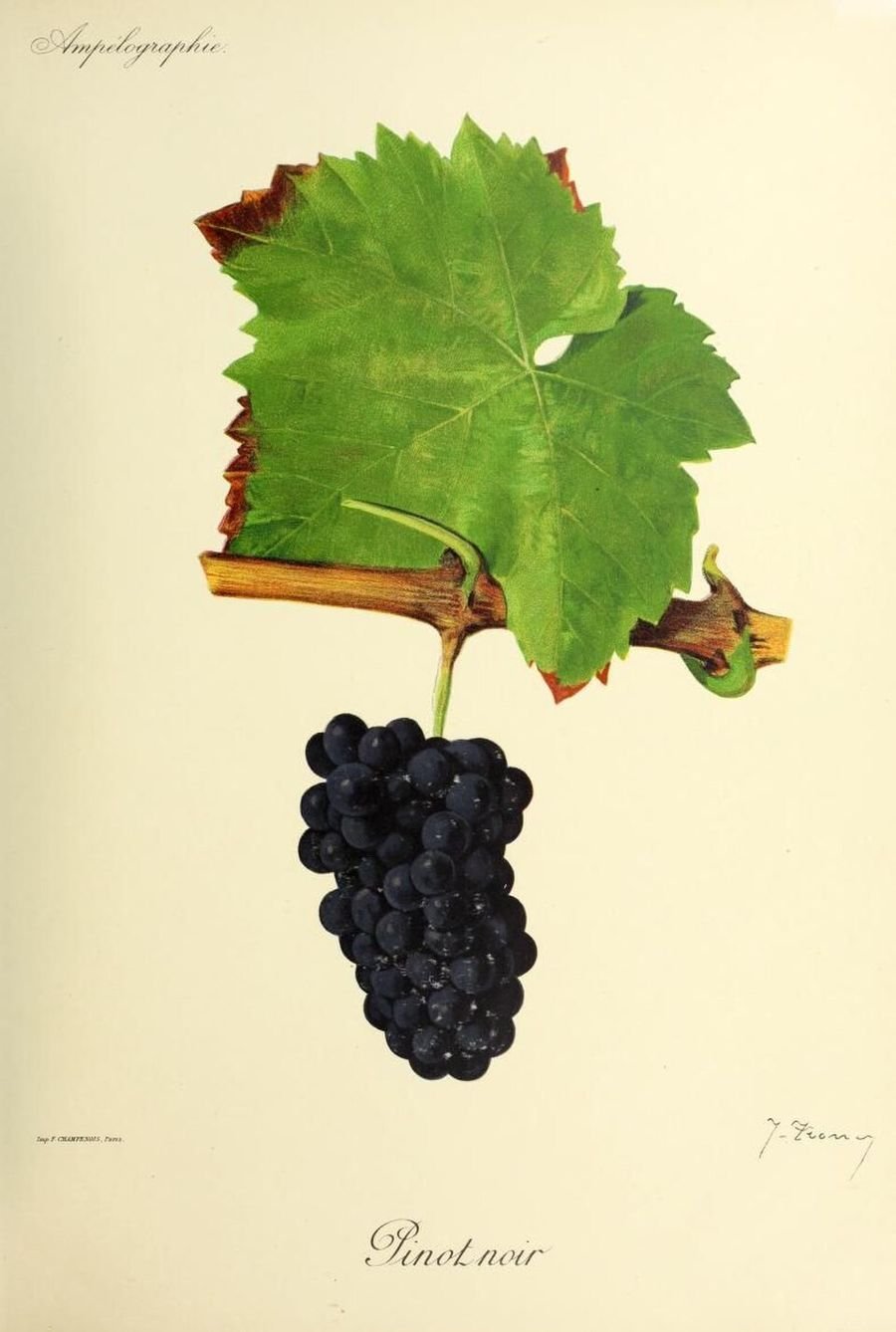
| Pinot Noir | Early | (on cooler, airy slopes) | Its Huglin requirement is 1,700 to 1,799, comfortably exceeded. It has a historic reputation in the Severin and Drâncei vineyards (Nicoleanu, 1900). Risks are spring frost (it is generally early-budding) and botrytis in its compact clusters. Best suited to a separate cuvée or a sparkling project, not the oak-aged blend. |
| Merlot | Mid | Its threshold of 1,900 to 1,999 HI was exceeded every year at both stations in 2017 to 2025. Clay-rich, water-retentive soils suit it. It has historic standing in Oltenia. It is a natural backbone for the red blend. | |
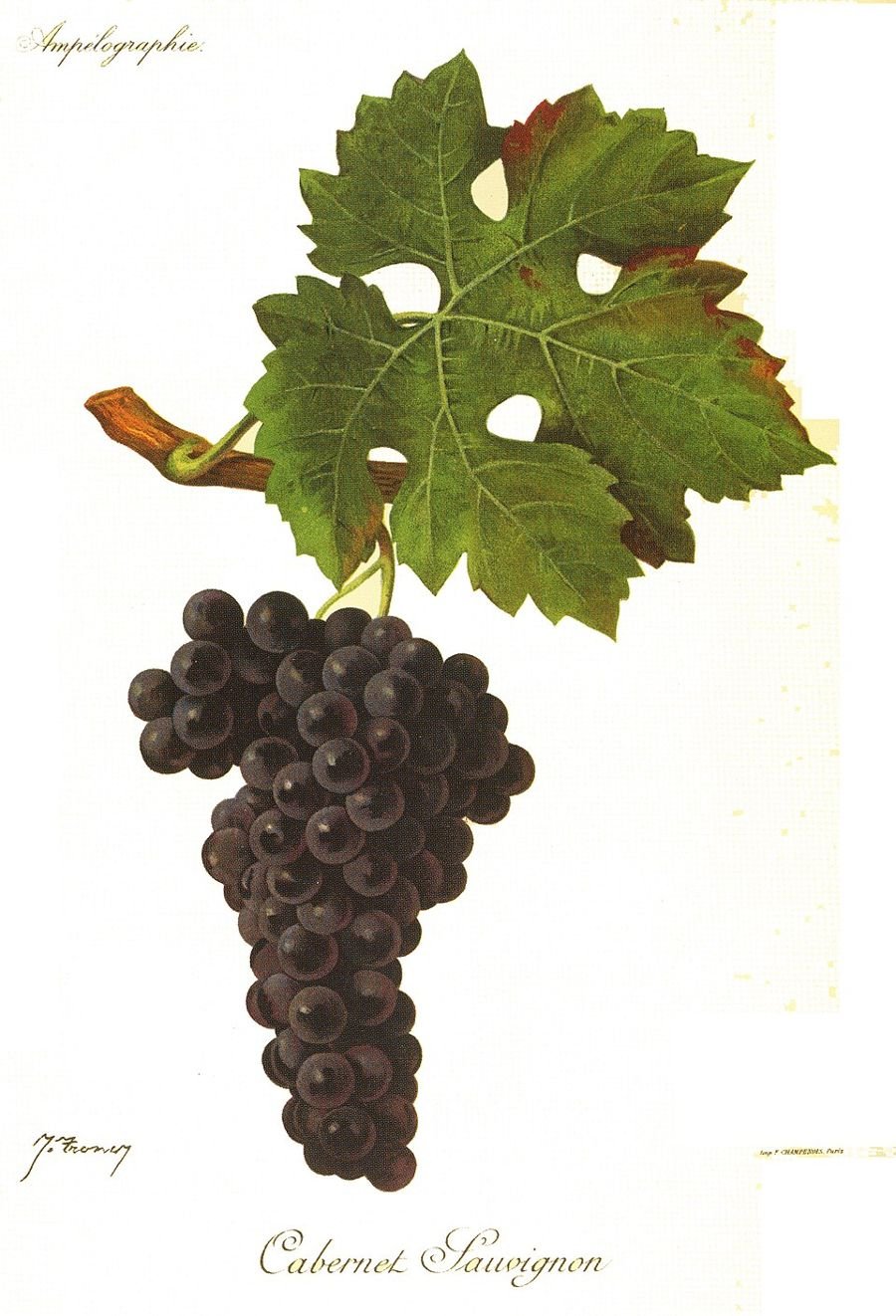
| Cabernet Sauvignon | Late | (warmest slope only) | Its threshold of 1,900 to 1,999 HI is met on average. However, it ripens late, and early autumn frosts in cold pockets (late September at Apa Neagră in 2017 to 2019) and cooler vintages raise the risk of green, under-ripe tannins. Plant only a small share on the warmest, south-facing mid-slope. |
| Cabernet Franc | Mid to late | Its threshold of 1,800 to 1,899 HI is met with a margin. It ripens earlier than Cabernet Sauvignon and handles cooler sites well. It adds aromatic lift and structure to a blend. | |
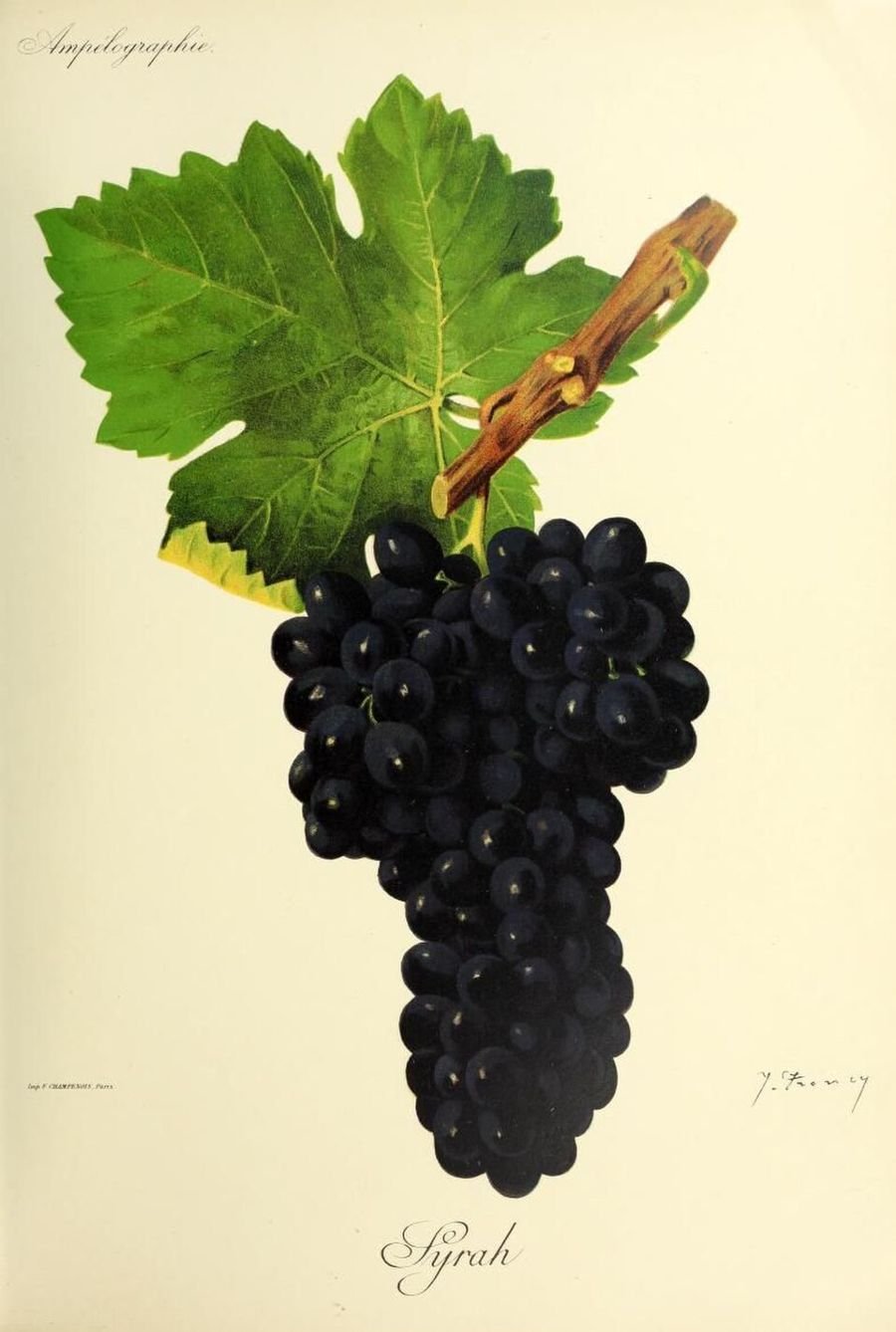
| Syrah | Mid to late | Its threshold of 2,100 to 2,199 HI is at the edge: the Apa Neagră mean was 2,190 and its minimum 2,043. It will ripen in warm years, not reliably in cool ones. Small trial rows at most. | |
| Fetească Albă | Mid | Medium-ripening and frost-resistant to about −20 °C. It is, however, susceptible to botrytis and to downy and powdery mildew (wein.plus), so open canopies are essential. Cool nights favour its aromatic freshness. | |
| Fetească Regală | Mid to late (around Merlot’s harvest) | Vigorous, productive and relatively frost-resistant, but sensitive to rot (CrameRomania). It suits our hill’s heat budget and cool nights for fresh, aromatic whites. | |
| Tămâioasă Românească | Late (early Sept, mid-Oct) | Sensitive to frost, drought and excess moisture, and very vulnerable to mildew and botrytis. It prefers long, dry autumns (CrameRomania). Our hill’s autumn rain peak and early frosts in cold pockets work against it. | |
| Crâmpoșie Selecționată | Mid | A Drăgășani speciality. The parent Crâmpoșie is described at SCDVV Drăgășani as disease- and pest-resistant, reaching about 205 g/l sugar. Its crisp style suits the cool nights. Few field data exist outside Drăgășani, so treat it as a trial. | |
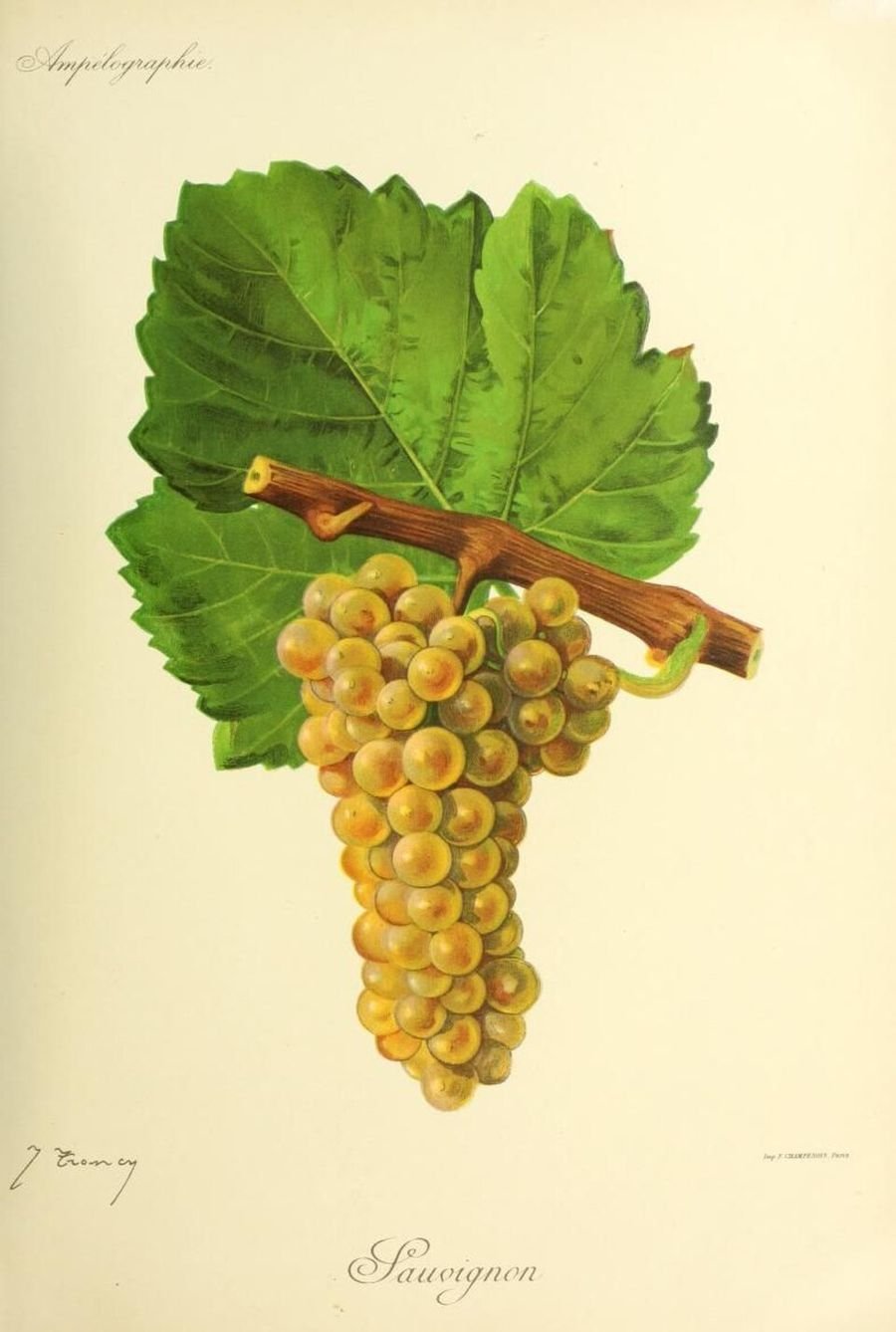
| Sauvignon Blanc | Early to mid | Its Huglin requirement of 1,700 to 1,799 is comfortably met, and very cool September nights help keep its aromas. Watch botrytis in its compact clusters. | |
| Riesling Italian (Welschriesling) | Mid to late | Its threshold of 1,900 to 1,999 HI is met. It is a reliable, traditional Romanian white, but less distinctive than the Feteascăs. | |
| Chardonnay | Early | (frost-safe sites) | Its threshold of 1,700 to 1,799 HI is easily met. Being early-budding, it is exposed to the late-April frosts recorded at Apa Neagră, so plant it only where cold air drains away. |
Recommendations
For the oak-aged red blend (core plantings):
- Fetească Neagră: the Romanian signature, giving freshness, red and black fruit, and aptitude for oak.
- Novac: Oltenian identity, colour, concentration and reliable ripening.
- Merlot: the dependable mid-palate and volume of the blend, well suited to clay soils.
- Cabernet Franc: aromatic lift and fine structure, and safer than Cabernet Sauvignon here.
- (Optional) Cabernet Sauvignon: a small block on the warmest slope, to add tannic backbone in good years.
For future plantings: Fetească Regală and/or Fetească Albă for a fresh, aromatic Romanian white; Sauvignon Blanc; and Pinot Noir on the coolest well-drained slope, as a separate, finer-boned red.
6. Recommendations for the first replanted hectare
These are general principles to discuss with a viticultural consultant and the vine nursery. They are not prescriptions.
- Site within the parcel. Prefer mid-slope positions over the valley floor and hollows. Cold air drains downhill and pools, which is the most likely reason Apa Neagră shows later spring frosts and colder nights than Târgu Jiu. South-east to south-west aspects will add warmth for the reds. Keep the coolest corners for Pinot Noir or whites. Avoid places where fog or cold air sits, and anything close to the Tismana floodplain, where frost and waterlogging risk is highest.
- Row orientation. On gentle slopes, north to south rows give both canopy faces even light and help fruit dry after rain. On steeper ground, erosion control usually takes priority, with rows along the contour or terraces. Clay-rich soils can erode on bare slopes, so a permanent or alternate-row cover crop is advisable.
- Drainage. If soil pits show a dense clay horizon or mottling (signs of pseudogley), consider subsoiling before planting and possibly drainage. Waterlogged clay in a wet spring is a common cause of poor establishment.
- Rootstock. Choose it after the soil analysis. In general terms, slightly acidic, clay-rich soils do not call for lime tolerance, while the site’s main concerns are vigour and ripening. Moderate-vigour rootstocks that advance ripening are usually preferred on fertile, water-retentive soils for late varieties. Discuss specific options with the nursery against the soil report, and buy certified, virus-tested material.
- Training and canopy. Use a vertically shoot-positioned (VSP) canopy with a relatively high fruiting wire. It keeps bunches above the coldest air at ground level and improves airflow. Remove leaves in the fruit zone on the morning-sun side after fruit set and keep the canopy open, given the downy-mildew and botrytis pressure. Delaying winter pruning can delay budburst slightly, which may help on frost-prone rows.
- Frost and hail. Consider frost-alert monitoring and, depending on budget, hail netting or crop insurance. The 12 May 2024 hail at nearby Cătunele shows the hazard is real.
- Legal steps. In the EU, new and replanted commercial vineyards need a planting or replanting authorisation. Check the procedure with ONVPV and the county agricultural authority before ordering vines.
7. Limitations and next steps
Limitations of this study.
- No observations exist for our hill itself. Climate figures come from stations 9 km and 25 km away, over a short and unusually warm period (2017 to 2025, and only 2021 to 2025 for rainfall).
- The soil figures come from a 250 m global model and regional descriptions, not from the parcel.
- The exact location of the family parcel was not available to us.
- Sunshine hours and long-term (30-year) station normals for Apa Neagră were not accessible online.
- Variety descriptions come partly from producer and encyclopaedia sources that do not always agree. We have flagged the disagreements.
Recommended next steps, in order:
- Fix the parcel: GPS boundary, cadastral reference, elevation range, slope and aspect. A drone or GNSS survey would also map frost hollows.
- Dig soil pits: two or three per hectare, to at least 1.2 m. Describe the horizons and test texture, pH, active lime, organic matter, cation exchange capacity, available P and K, and B, Mg and Fe. Check for compacted or gleyed horizons. Use an accredited lab, such as the county OSPA (Office for Pedological and Agrochemical Studies).
- Install an on-site weather station: temperature at about 1.5 m and close to the ground, humidity, rain and leaf wetness. Run it for at least 2 to 3 seasons and compare it with Apa Neagră and Târgu Jiu to calibrate the estimates in this study. Add a frost alarm.
- Request ANM data: long-term normals and sunshine for Târgu Jiu and Apa Neagră, to replace the short-series estimates here.
- Check regulatory status with ONVPV: the PGI area and any planting authorisation.
- Look for historic records: family, parish and county archives on our hill’s vineyards, for the winery’s story.
- Plant trial rows of candidate varieties (for example Syrah, Crâmpoșie Selecționată, Pinot Noir) before committing larger areas.
Sources
Location, relief and hydrography
- Godinești (commune), Wikipedia (EN): https://en.wikipedia.org/wiki/Godine%C8%99ti
- OpenStreetMap, Nominatim and Overpass queries for village coordinates: https://www.openstreetmap.org/relation/9717316
- Open-Meteo Elevation API (Copernicus DEM GLO-90): https://open-meteo.com/en/docs/elevation-api
- Tismana (river), Wikipedia: https://en.wikipedia.org/wiki/Tismana_(river)
- Studiu geotehnic, Construire dispensar în comuna Peștișani, județul Gorj (P.F.A. Pătru Florentin, Sept. 2017), for regional relief, climate, geology and soils: https://www.pestisani.ro/wp-content/uploads/bsk-pdf-manager/Studiu_geotehnic_342.pdf
- Banca Națională a României, Monografia județului Gorj: https://www.bnr.ro/uploads/publicatii/Monografie_Gorj.pdf
- Britannica, „Gorj”: https://www.britannica.com/place/Gorj
Climate
- Strat, D. & Nistor, S. (2012). The multiannual regime of precipitation in Târgu Jiu Depression (Gorjului Subcarpathians) over the 1961 to 2010 period. Analele Univ. Oradea, Fasc. Protecția Mediului, XVIII: https://www.protmed.uoradea.ro/facultate/anale/protectia_mediului/2012A/im/35.%20Strat%20Daniela%201.pdf
- Strat, D. & Nistor, S. (2012), companion paper, Vol. XIX: https://www.protmed.uoradea.ro/facultate/anale/protectia_mediului/2012B/im/42.%20Strat%20Daniela%201.pdf
- Meteostat daily station data: Târgu Jiu (15340), Apa Neagră/Padeș (15341), Drăgășani (15395), Drobeta-Turnu Severin (15410): https://meteostat.net/en/station/15341 · bulk data https://bulk.meteostat.net/v2/daily/15341.csv.gz (and corresponding files for the other stations)
- Open-Meteo Historical Weather API (ERA5 / ERA5-Land reanalysis, Copernicus C3S): https://open-meteo.com/en/docs/historical-weather-api
- Tonietto, J. & Carbonneau, A. (2004). A multicriteria climatic classification system for grape-growing regions worldwide. Agricultural and Forest Meteorology 124: 81 to 97: https://www.alice.cnptia.embrapa.br/alice/bitstream/doc/1008614/1/1s2.0S0168192304000115main.pdf
- Huglin index (formula and variety thresholds after Huglin, 1986): https://en.wikipedia.org/wiki/Huglin_index
- Winkler index (Amerine & Winkler, 1944; region boundaries): https://en.wikipedia.org/wiki/Winkler_index
- Adevărul (13 May 2024), hail at Cătunele, Gorj: https://adevarul.ro/stiri-locale/targu-jiu/comuna-din-gorj-fara-energie-electrica-timp-de-2360866.html
Sub-Mediterranean indicators
- Damian, V. L. & Crainic, G. C. (2012). Some considerations on the sweet chestnut tree species (Castanea sativa Mill.) in the national forest fund. Analele Univ. Oradea, XIX: https://www.protmed.uoradea.ro/facultate/anale/protectia_mediului/2012B/silv/07.%20Damian%20Vasilica%20Laura%201.pdf
- Observator News (2023), on the decline of the Tismana chestnut harvest: https://observatornews.ro/economic/nea-daunat-seceta-mult-de-tot-canicula-si-bolile-fac-dintro-delicatesa-tot-mai-greu-de-gasit-in-europa-o-raritate-si-in-romania-542371.html
- Spotmedia (2023), „Ne-au murit castanii”: https://spotmedia.ro/stiri/social/ne-au-murit-castanii-bolile-si-canicula-ne-lasa-fara-o-delicatesa
Soils
- ISRIC SoilGrids 2.0 (REST API queries at 44.985 N 22.990 E, 45.005 N 23.000 E, 44.965 N 22.935 E; WRB classification at 45.007 N 22.966 E): https://rest.isric.org/soilgrids/v2.0/docs
Appellations and viticultural history
- EU eAmbrosia register, PGI „Dealurile Olteniei” (PGI-RO-A1095) technical dossier: https://webgate.ec.europa.eu/eambrosia-api/api/v1/attachments/11799
- 2023 amendment to „Dealurile Olteniei” (OJ C 198, 6.6.2023): https://eur-lex.europa.eu/legal-content/EN/TXT/?uri=uriserv%3AOJ.C_.2023.198.01.0021.01.ENG
- EU eAmbrosia register, PDO „Mehedinți” (PDO-RO-A1072) technical dossier: https://webgate.ec.europa.eu/eambrosia-api/api/v1/attachments/11259
- EU eAmbrosia public API, list of Romanian wine GIs: https://webgate.ec.europa.eu/eambrosia-api/api/v1/geographical-indications
Varieties
- Boștinaru, I., Gorjan, S.-Ș. & Botu, M. (2022). The qualitative oenological potential of the wine grape cultivars from the ampelographic collection at SCDVV Drăgășani. Annals of the University of Craiova, XXVII: https://anale-horticultura.reviste.ucv.ro/index.php/bihpt/article/view/16
- CrameRomania, Novac: https://www.crameromania.ro/en/grape-varieties/novac-romanian-grape-varieties--297.html
- CrameRomania, Negru de Drăgășani: https://www.crameromania.ro/en/grape-varieties/negru-de-dragasani-romanian-grape-varieties-296.html
- CrameRomania, Fetească Regală: https://www.crameromania.ro/en/grape-varieties/feteasca-regala-romanian-grape-varieties-299.html
- CrameRomania, Tămâioasă Românească: https://crameromania.ro/en/grape-varieties/tamaioasa-romaneasca-394.html
- wein.plus glossary, Fetească Albă: https://glossary.wein-plus.eu/feteasca-alba
- wein.plus glossary, Negru de Drăgășani (citing Wine Grapes): https://glossary.wein-plus.eu/negru-de-dragasani
- Nicolaescu, G. et al. (2022). Quality of grapes of Fetească Neagră wine variety depending on growing region in the Republic of Moldova (Technical University of Moldova repository): https://repository.utm.md/handle/5014/35906
The Founder’s Edition